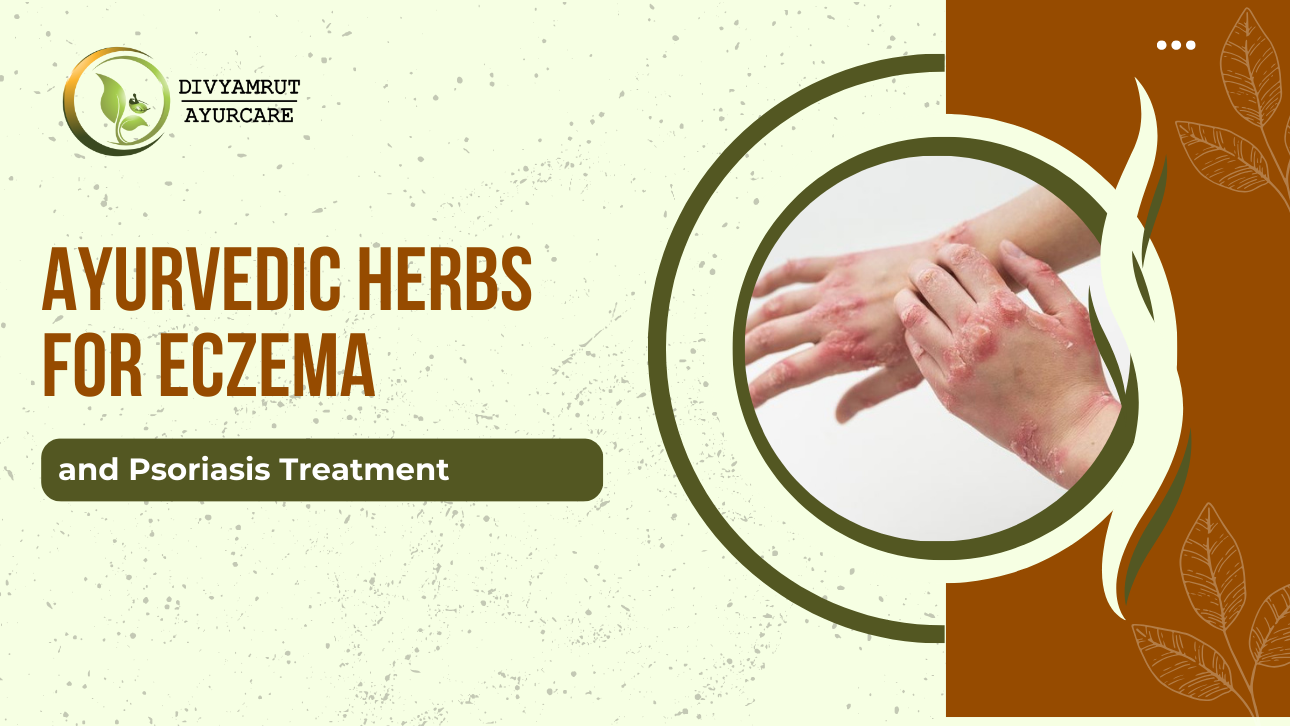
Skin problems like eczema and psoriasis can significantly impact quality of life. Conventional treatments often provide temporary relief, but Ayurveda offers a holistic approach to managing these chronic skin diseases naturally.
In this article, we explain powerful Ayurvedic herbs that can help reduce symptoms and promote long-term healing for eczema and psoriasis.
Eczema (Atopic Dermatitis) and psoriasis are chronic skin disorders characterized by inflammation and irritation. While eczema often begins in childhood, psoriasis is an autoimmune condition that affects individuals of all ages.
Eczema is a chronic inflammatory skin disorder marked by persistent dryness, itchiness, and red, inflamed patches of skin. Severe cases may include crusting or oozing, and prolonged scratching can lead to thickened, scaly skin.
Eczema is often linked to genetic factors, environmental triggers such as allergens (pollen, pet dander, dust mites), an overactive immune response, and a compromised skin barrier.
Psoriasis is a chronic autoimmune condition that accelerates the life cycle of skin cells, resulting in the rapid buildup of cells on the skin’s surface. This leads to scaling, inflammation, and the formation of plaques.
Psoriasis is primarily caused by an immune system dysfunction that mistakenly attacks healthy skin cells. Genetic predisposition and triggers such as infections, stress, cold weather, and skin injuries further contribute to the condition.
Ayurveda offers a holistic approach that targets the root causes rather than just masking the symptoms. By balancing the doshas, detoxifying the body, and strengthening the immune system, Ayurvedic treatments can provide long-term relief and promote healthier skin.
Properties: Antibacterial, antifungal, and anti-inflammatory.
How it helps: Neem purifies the blood, soothes inflamed skin, and reduces itching.
Usage: Apply neem oil directly on affected areas or consume neem capsules under professional guidance.
Properties: Anti-inflammatory, antimicrobial, and antioxidant.
How it helps: Curcumin, the active compound in turmeric, reduces inflammation and promotes skin healing.
Usage: Mix turmeric powder with milk or water to form a paste and apply it to the skin, or consume with warm milk for internal benefits.
Properties: Blood purifier and anti-inflammatory.
How it helps: Detoxifies the body, reduces inflammation, and alleviates itching.
Usage: Take Manjistha powder or capsules; a paste applied topically can also provide relief.
Properties: Cooling, anti-inflammatory, and moisturizing.
How it helps: Hydrates dry skin, reduces itching, and promotes healing.
Usage: Apply fresh aloe vera gel to affected areas daily.
Properties: Detoxifying and rejuvenating.
How it helps: Cleanses the digestive system and purifies the blood, addressing the root cause of skin disorders.
Usage: Consume Triphala powder with warm water or as tablets under supervision.
Properties: Immunomodulatory and anti-inflammatory.
How it helps: Boosts immunity, reduces inflammation, and promotes overall skin health.
Usage: Prepare a decoction or consume Guduchi capsules.
Ayurvedic treatment for these skin disorders involves a comprehensive approach:
Ayurveda focuses on holistic healing by addressing the root causes of skin disorders. Its natural ingredients are free from harsh chemicals and can be customized to your unique dosha imbalance, providing lasting relief and improved skin health.
Ayurveda offers time-tested solutions for managing eczema and psoriasis through the use of powerful herbs and comprehensive lifestyle modifications. Incorporating these Ayurvedic herbs and practices into your routine can lead to long-term relief and healthier skin.
At Divyamrut Ayurcare, we provide personalized Ayurvedic consultations and high-quality herbal products to support your skin health journey. Discover the power of Ayurveda and reclaim your wellness today!
1. Can Ayurveda completely cure eczema and psoriasis?
Ayurveda focuses on long-term management and addressing the root causes, which can significantly reduce symptoms and improve skin health over time.
2. How long does Ayurvedic treatment take to show results?
Results vary by individual, but many patients notice improvement within 4-6 weeks of consistent treatment.
3. Are there any side effects of Ayurvedic herbs?
When used appropriately and under professional guidance, Ayurvedic herbs have minimal side effects.
4. Can I use Ayurvedic herbs alongside conventional treatments?
Yes, many patients successfully integrate Ayurvedic herbs with conventional treatments; however, it is important to consult both your dermatologist and an Ayurvedic practitioner.
5. What lifestyle changes can support Ayurvedic treatment?
Adopting a balanced diet, practicing stress management techniques such as yoga, and avoiding known allergens can greatly support and enhance the effectiveness of Ayurvedic treatment.