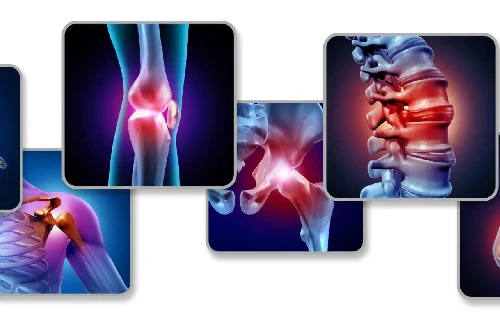
The musculoskeletal system provides support to our body and is made up of bones, muscles, and supporting structures like tendons, ligaments, cartilage, and other tissues. According to Ayurveda, balanced Vata is the originator of all musculoskeletal movements and ensures synchronized movement between all the components of the system.
When Vata is imbalanced, there is poor absorption of nutrients which can lead to overall dysfunction and deficiencies in the body. This causes dryness in the muscles and connective tissues, resulting in stiffness, inflammation, and pain.
Ayurveda has a preventative stance towards health and recommends yoga to promote flexibility and correct postural issues, along with a healthy diet and herbal supplements to prevent stiffness. Patients with musculoskeletal disorders are directed towards various treatments such as abhyanga or specialized massages to tackle particular areas, as well as detoxifying regimes like Panchakarma to rid the body of toxins and correct the Vata imbalance.
Rheumatoid arthritis is an autoimmune condition primarily causing inflammation and stiffness around joints, though it can also affect other systems. In Ayurveda, it is referred to as amavata – a condition attributed to pitha imbalance that eventually leads to a Vata imbalance and pain.
Patients are advised to follow diets including foods like oats, lentils, leafy vegetables, and berries that help reverse the imbalance, along with treatments such as manalkizhi, Panchakarma, and podikizhi.
Osteoarthritis is a chronic degenerative disorder of the weight-bearing joints, commonly affecting the knee joint. It is caused by damage and erosion of cartilage at the ends of bones, leading to inflammation, stiffness, and pain. A Vata imbalance-related disorder known as sandhigatavata in Ayurveda can be correlated with osteoarthritis.
Contributing factors include exposure to extreme cold, physical strain, and suppression of natural urges. In addition to dietary changes and yoga, therapies such as kizhi and specialized massages (e.g., Janu Vasty, Katee Vasty, Greeva Vasty, or Hasthasekam) are recommended alongside Panchakarma.
Carpal tunnel syndrome develops due to compression of the median nerve running down the arm, affecting the hand and fingers with symptoms like weakness, burning, and tingling sensations.
In Ayurveda, this condition is linked to imbalances in both Vata and pitha doshas. Therapeutic techniques such as hasthasekam (used for finger arthritis, hand tremors, and numbness), along with Panchakarma, kashayadhara, upanaha, lepam, and kizhi are commonly utilized.
Tennis elbow, or lateral epicondylitis, is characterized by inflammation of the outer part of the elbow where tendons attach to the bone. This condition results in joint pain and is often linked to overuse of the muscles around the elbow.
In Ayurvedic texts, the symptoms are described as snayugata vata, with Vata dosha considered the primary cause. Treatments include the application of medicated oils using techniques such as kizhi, Pichu therapy, and lepam.
Psoriatic arthritis is a chronic autoimmune condition that usually develops as a complication of psoriasis, though it may also occur in patients without psoriasis. It causes joint inflammation along with the formation of itchy red skin patches.
In Ayurveda, this condition is attributed to a Vata imbalance with additional involvement of rakta (blood disorders) and kushta (skin disorders). Management typically includes a combination of lepam (for skin issues), abhyanga, and Panchakarma.
Osteomyelitis, known as antarvidradhi in Ayurvedic tradition, is an infection of the bone or bone marrow. It commonly develops in the long bones of the arms and legs, particularly in people with open fractures, low immunity, or diabetes.
While allopathic treatment may involve incision, debridement, and drainage, Ayurveda manages this condition with specialized lepam (such as punaranavadi lepa) and detoxifying techniques including Panchakarma, dhanvantar taila dhara, and kashaya dhara.
Calcaneal spur, or heel spur, develops when steady tension on the heel bone causes calcium to accumulate, forming a spur. It is most common in individuals who stand for long periods or walk on uneven terrain.
In Ayurveda, this condition is known as vatakantaka or padakantaka and is attributed to Vata dosha. Treatment recommendations include paadapaalanam for pain relief along with therapies such as kizhi, Isbtika Sweda, and pichu.
Lumbar spondylosis is a degenerative condition of the vertebrae that causes inflammation in the sacroiliac joint—the lowest section of the lumbar spine. According to Ayurveda, it is caused by an imbalance of Vata dosha.
Treatment is focused on balancing Vata and detoxifying ama. External therapies such as Pichu therapy and Kati Basti, along with Panchakarma techniques, are used to detoxify and relax the body.
Cervical spondylosis is a degenerative spinal disorder associated with wear and tear of the vertebrae and discs in the cervical region of the neck. It typically restricts neck mobility and is commonly seen in middle-aged and older adults.
Ayurvedic treatment focuses on removing the dosha imbalance—particularly that of Vata—by eliminating Vata-aggravating substances from the diet and applying external therapies such as abhyanga, nasyam, shirovasti, greeva Basti, and pizhichil to lubricate the joint, rejuvenate tissues, and promote mobility.
Frozen shoulder, also known as adhesive capsulitis, is a condition where the shoulder becomes so stiff that it is immobilized due to scar tissue formation around the joint. In Ayurvedic tradition, it is referred to as apabahuka and is considered a result of imbalanced Vata dosha.
Treatment includes a combination of therapies such as upanaha sweda, greeva basty, prishtha vasti, shiroabhyanga, and Panchakarma to soothe, rejuvenate, and detoxify the joint.
Fibromyalgia is a chronic condition characterized by muscle and connective tissue pain as well as fatigue. It is often associated with psychological factors and may coexist with conditions such as irritable bowel syndrome, depression, and anxiety.
According to Ayurvedic literature, the roots of fibromyalgia lie in a Vata dosha imbalance with additional involvement of pitha and Kapha. An individualized treatment approach involving Udwarthana, shiro dhara, and Panchakarma is recommended.
Gout results from high levels of uric acid in the body, causing flare-ups of pain and inflammatory arthritis. In Ayurveda, it is comparable to pithadhika vatarakta, a condition considered to be Vata-based.
Treatment involves incorporating herbs such as giloy, Triphala, neem, and turmeric into the diet, along with external therapies like kashayadhara, lepam, and pichu. Panchakarma therapies, such as Virechana, are also recommended.