Seasonal changes are one of the most powerful influences on human health. Ayurveda teaches us that if we align our routine with nature, we stay strong, balanced, and disease-free. As we move into the early winter months, Hemant Ritu: Ayurvedic Seasonal Routine for Agni, Mahabhuta & Dosha Balance becomes essential for maintaining inner harmony and vitality.
Hemant Ritu, which falls roughly between mid-November to mid-January, is marked by cold mornings, sharper winds, and slowly dropping temperatures. This season is naturally supportive of strength and immunity, but only when the right diet and lifestyle are followed.
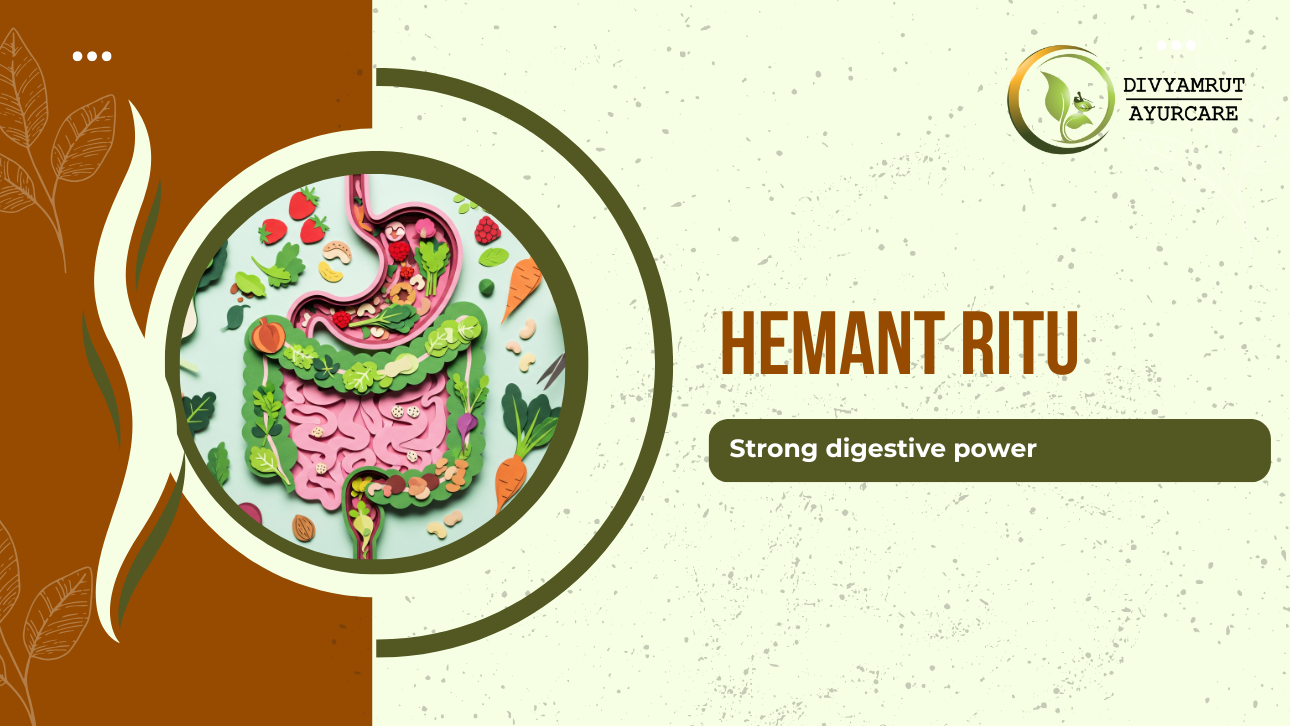
Hemant Ritu is a time when the body's metabolic fire, or Agni, becomes naturally stronger. Cold weather causes the skin pores to close and preserve internal warmth, which strengthens digestion and metabolism. This is why winter hunger is real. Agni demands fuel.
Key Characteristics of Hemant Season
If neglected, this season can lead to:
This is why following Hemant Ritu: Ayurvedic Seasonal Routine for Agni, Mahabhuta & Dosha Balance is essential.
Ayurveda explains that every season is influenced by the Panchamahabhutas (Five Elements). Hemant Ritu strengthens certain elements more than others:
Understanding these elements helps you choose the right food, herbs, and daily habits.
Vata Dosha
Cold and dry weather aggravates Vata the most. Symptoms: dryness, sleep disturbances,
joint pain, and anxiety.
Pitta Dosha
Remains fairly balanced because cold weather reduces internal heat.
Kapha Dosha
Stable in early winter, but increases toward the late winter if the diet becomes heavy.
Balancing these Doshas through diet, routine, and therapies is the core purpose of Hemant Ritu: Ayurvedic Seasonal Routine for Agni, Mahabhuta & Dosha Balance.
Foods You Should Include
Foods You Must Avoid
Eating well and eating warm are the foundations of this season.
1. Warm Oil Bath (Abhyangam)
A must during winter. Warm sesame oil deeply nourishes skin, reduces Vata, and improves
circulation.
2. Warm Water Sipping
Supports digestion, relieves dryness, and boosts metabolism.
3. Yoga & Exercise
Ideal for strength and warmth:
4. Sun Exposure
Enhances immunity, supports mood, and Vitamin D levels.
5. Early Bedtime
Supports repair and recovery during winter.
Winter is the ideal time for nourishing and strengthening therapies. The cold external environment makes the body highly receptive to herbal oils and therapeutic heat. Essential therapies include:
These therapies maintain balance between Agni, Mahabhuta, and Doshas throughout the season.
At Divyamrut Ayurcare, we customise winter wellness plans based on Ayurvedic principles and your personal Dosha constitution. Our therapies are tailored specifically for the seasonal needs of Hemant Ritu, ensuring deep nourishment, relaxation, and immunity support.
✔ Professional Abhyangam for Winter Dryness
Warm, medicated sesame oil massage done by trained therapists helps:
Our Abhyangam oils are freshly prepared and authentically Ayurvedic.
✔ Swedana for Warmth & Stiffness Relief
Herbal steam treatment that:
Perfect for people who work long hours or feel cold easily.
✔ Potli Therapy for Joint & Muscle Care
Podikizhi and Elakizhi are ideal during Hemant Ritu to reduce:
This therapy uses warm herbal boluses that soothe the deeper tissues.
✔ Shirodhara for Calmness in Winter
Cold weather can disturb sleep or increase anxiety.
Shirodhara helps:
✔ Skin Glow Therapies (Ubtan & Herbal Facials)
Winter tends to dull natural radiance. Our herbal facials use:
To bring out natural shine and moisture.
Divyamrut Ayurcare provides personalized plans, including:
If you want to experience the benefits of Hemant Ritu: Ayurvedic Seasonal Routine for Agni, Mahabhuta & Dosha Balance practically and professionally, our clinic is equipped to support you.
Winter can be your season of strength, immunity, and
nourishment—if you follow the right Ayurvedic winter routine. By understanding Agni,
Mahabhuta, and Dosha behavior, and by adopting warm, nourishing habits, Hemant Ritu
becomes a period of deep rejuvenation.
To help you integrate these practices, Divyamrut Ayurcare provides authentic,
personalised Ayurvedic therapies crafted to keep your body aligned with the season.
Experience the warmth, balance, and healing power of Ayurveda this winter.
Call +91 97699 98000
1. Is Hemant Ritu good for strengthening the
body?
Yes, digestion and metabolism peak during this season, making it ideal for nourishment.
2. Which therapy is best for winter
dryness?
Abhyangam (warm oil massage) is the most beneficial.
3. Can Ayurveda help with winter joint
pain?
Yes. Potli therapies, Abhyangam, and Swedana relieve stiffness and improve mobility.
4. Do I need a personalised routine?
Yes. Dosha balance varies from person to person. Divyamrut Ayurcare provides customised
winter care plans.
5. Can I get therapies daily during Hemant
Ritu?
Depending on your condition, a doctor at Divyamrut Ayurcare can guide the ideal
frequency.