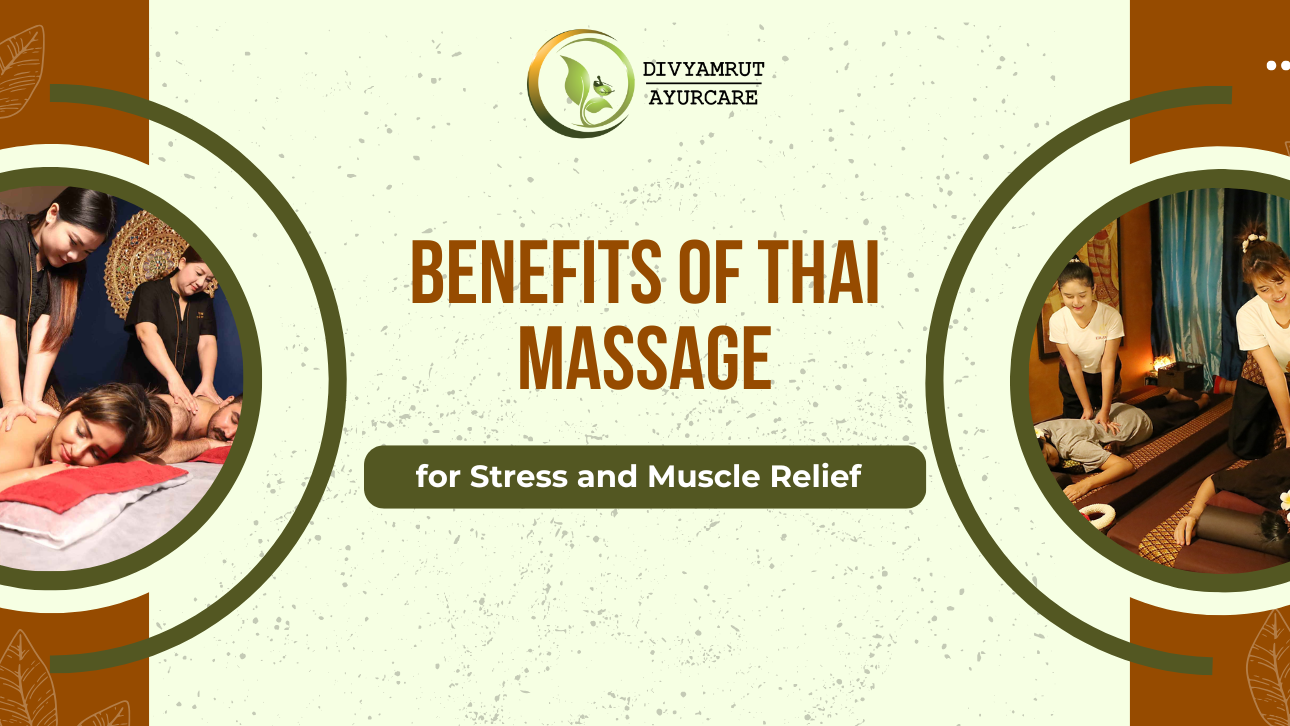
Thai massage is renowned for its unique blend of gentle pressure and dynamic stretching, offering a wide array of benefits for both stress relief and improved muscle flexibility. This therapeutic practice helps alleviate muscle tension, correct joint misalignments caused by tight muscles, and promote overall relaxation.
By combining deep massage techniques with assisted yoga-like stretches, Thai massage works to relax shortened muscles, relieve joint pressure, and enhance your range of motion. This holistic approach not only reduces pain but also leaves you feeling refreshed and mentally clear.
You can enjoy the authentic experience of a traditional Thai massage right here in Hanoi. Many skilled therapists specialize in this ancient technique, ensuring you receive the full benefits without needing to leave the city.
Unlike conventional massages that focus mainly on kneading, Thai massage integrates extensive stretching. Performed on a mat on the floor, the therapist uses their body weight and leverage to guide you through dynamic stretches. This method not only targets muscle tension but also encourages a meditative state, with sessions typically lasting around 90 minutes.
To maximize your Thai massage experience, consider these helpful tips:
Thai massage is a versatile therapy suitable for individuals of all ages and lifestyles. Whether your goal is to alleviate chronic pain, reduce stress, or simply enjoy a rejuvenating experience, Thai massage offers a natural and effective solution. At Divyamrut Ayurcare, we combine traditional Thai techniques with modern wellness practices to provide a truly transformative experience.
1. What should I expect during a Thai massage session?
You will remain fully clothed while lying on a mat. The therapist uses rhythmic compression and assisted stretching techniques to work through your entire body.
2. How often should I get a Thai massage?
For optimal benefits, it is recommended to receive a Thai massage every 2–4 weeks, although frequency may vary depending on your individual needs and health conditions.
3. Is Thai massage suitable for everyone?
Generally, yes. However, individuals with certain medical conditions (such as severe osteoporosis or recent surgeries) should consult with their healthcare provider before undergoing a Thai massage.
4. Can Thai massage help with back pain?
Absolutely. Thai massage targets key pressure points and stretches the spine, which can relieve back pain and improve posture.
5. What’s the difference between Thai massage and yoga?
While Thai massage incorporates assisted yoga-like stretches, the therapist performs the movements for you, offering a more passive and deeply relaxing experience compared to traditional yoga.